
PROTOCOL
Understanding GSMA SGP.22: The Standard Behind Every eSIM
A technical breakdown of the specification that governs how eSIM profiles are provisioned, managed, and transferred between devices and carriers.
read_more() →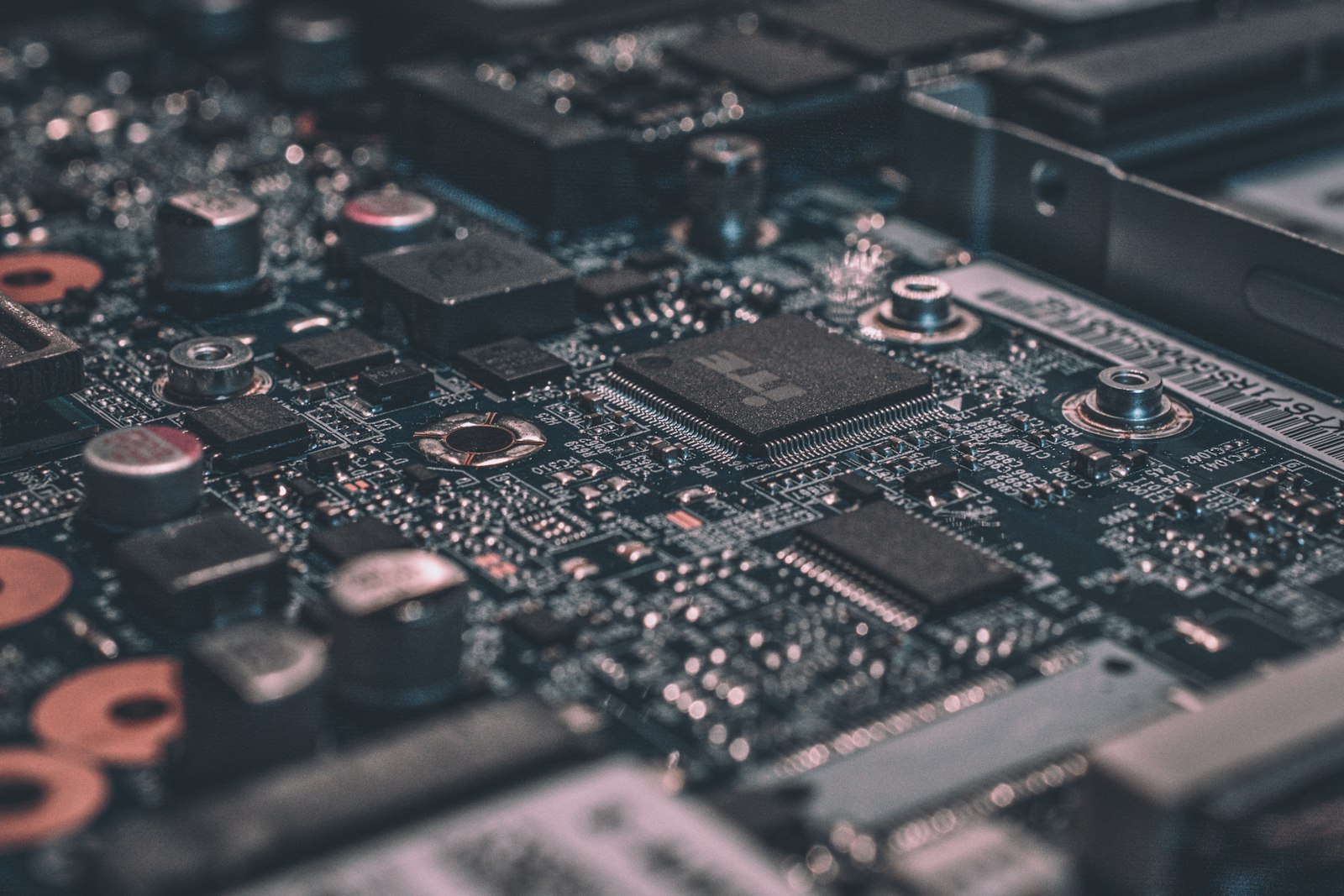
Deep technical analysis of eSIM standards, network infrastructure, and mobile connectivity protocols across 40+ European markets. Built for travelers who demand precision.
A technical breakdown of the specification that governs how eSIM profiles are provisioned, managed, and transferred between devices and carriers.
read_more() →
European 5G deployments use a mix of sub-6GHz and mmWave bands. Here's what frequency bands matter for eSIM users and which devices support them.
read_more() →
The cryptographic mechanisms that secure eSIM profile downloads and prevent unauthorized access to your mobile identity.
read_more() →eSIM technology operates across multiple layers of the mobile telecommunications stack. Understanding how these layers interact helps travelers make better decisions about connectivity.
At the hardware level, the eUICC (embedded Universal Integrated Circuit Card) is a secure element chip that stores and manages multiple carrier profiles. The GSMA's SGP.22 specification defines how these profiles are provisioned remotely via the SM-DP+ (Subscription Manager Data Preparation Plus) infrastructure.
For travelers, the key insight is that an eSIM profile is essentially a software credential that authenticates your device to a carrier's network. Switching between profiles is a software operation that takes seconds — no physical hardware changes required.
Your device connects to the provider's SM-DP+ server over a secure TLS connection and downloads the encrypted carrier profile.
The eUICC verifies the profile's cryptographic signature and installs it in secure storage. Multiple profiles can be stored simultaneously.
When activated, the profile's credentials authenticate your device to the carrier's network using standard 4G/5G authentication protocols.
In roaming scenarios, your device negotiates with partner networks using standard inter-carrier roaming agreements, transparent to the end user.
Population coverage percentages for major European markets
// Source: Network operator coverage reports, GSMA Intelligence 2024
SGP.22 is the GSMA's technical specification for consumer eSIM. It defines the protocols for remote SIM provisioning, including how profiles are downloaded, installed, and managed on devices. It ensures interoperability between different device manufacturers and carrier systems.
In many respects, yes. eSIM profiles are cryptographically signed and encrypted during transmission. The eUICC chip is tamper-resistant. Unlike a physical SIM, an eSIM cannot be physically stolen or swapped without device access.
eSIM profiles are significantly harder to clone than physical SIMs due to cryptographic protections. The main security risks are social engineering attacks on carriers (SIM swap fraud) and device compromise, not the eSIM hardware itself.
Monthly technical briefings on eSIM protocol updates, network infrastructure changes, and connectivity analysis for European markets.